Today‚ April 7th‚ 2026‚ educators increasingly recognize the value of holistic learning‚ utilizing printable SEL activities to nurture students’ emotional wellbeing and social skills.
What is Social Emotional Learning?
Social Emotional Learning (SEL) is a process for children and adults to understand and manage emotions‚ set and achieve positive goals‚ feel and show empathy for others‚ establish and maintain positive relationships‚ and make responsible decisions.
It’s about developing self-awareness‚ self-regulation‚ social awareness‚ relationship skills‚ and responsible decision-making – crucial life skills extending beyond academics.
The growing emphasis on holistic education fuels the demand for SEL resources‚ with printable activities offering a practical‚ accessible way to integrate these vital lessons into various settings. These resources aim to support psychological wellbeing alongside traditional learning.
Why Use Printable SEL Activities?
Printable SEL activities offer a cost-effective and readily available solution for educators and parents seeking to foster emotional intelligence. They eliminate the need for expensive software or extensive training‚ providing immediate access to valuable learning tools.
These resources are incredibly versatile‚ adaptable for individual or group settings‚ and easily integrated into existing curricula.
With the increasing availability of both free and paid options‚ educators can readily bring resources for social and emotional learning and psychological wellbeing to students‚ supporting a more holistic educational experience.
Core SEL Competencies & Printable Activities
SEL’s core competencies—self-awareness‚ self-management‚ social awareness‚ and relationship skills—are effectively reinforced through targeted printable activities‚ fostering student growth.
Self-Awareness Activities
Cultivating self-awareness is foundational to SEL‚ and printable activities offer a tangible way for students to explore their inner worlds. These resources help children identify and understand their own emotions‚ strengths‚ and weaknesses.
Effective self-awareness exercises include journaling prompts focused on feelings‚ worksheets designed to pinpoint personal values‚ and activities that encourage reflection on past experiences. Recognizing personal triggers and developing a vocabulary for emotions are key outcomes.
Printable materials provide a safe space for introspection‚ allowing students to build a stronger sense of self and lay the groundwork for emotional regulation and responsible decision-making.
Identifying Emotions Worksheets
Emotion identification is a crucial first step in SEL‚ and worksheets provide a structured approach for students to learn and practice this skill. These printable resources typically feature faces displaying various emotions – happiness‚ sadness‚ anger‚ fear‚ and surprise – prompting students to label them correctly.
More advanced worksheets might present scenarios or stories‚ asking students to identify the emotions characters are likely feeling. Color-coding emotions or matching feelings to physical sensations can also be incorporated.
These activities build emotional literacy‚ enabling students to better understand their own feelings and those of others‚ fostering empathy and improved communication.
Recognizing Personal Strengths Exercises
Building self-esteem and resilience relies heavily on recognizing individual strengths. Printable exercises designed for this purpose often involve self-reflection prompts‚ encouraging students to identify what they excel at – academically‚ creatively‚ or socially.
Worksheets might present lists of strengths (e.g.‚ kindness‚ perseverance‚ problem-solving) for students to select those that resonate with them. Alternatively‚ they could involve writing about accomplishments or positive feedback received.
These exercises help students develop a growth mindset‚ appreciating their unique abilities and fostering a sense of self-worth‚ vital for navigating challenges.
Self-Management Activities
Developing self-control and emotional regulation are core components of SEL. Printable activities focusing on self-management equip students with strategies to handle stress‚ manage impulses‚ and persevere through difficulties.
These resources often include techniques like deep breathing exercises‚ mindfulness practices‚ and goal-setting worksheets. Impulse control games‚ presented in printable formats‚ can help students practice delaying gratification and making thoughtful decisions.
By mastering these skills‚ students gain the ability to navigate challenging situations effectively and maintain a positive outlook‚ fostering academic and personal success.
Deep Breathing & Mindfulness Printables
Printable deep breathing exercises offer a simple yet powerful tool for students to regulate emotions and reduce anxiety. These often feature visual cues‚ guiding children through techniques like belly breathing or square breathing.
Mindfulness activities‚ presented as worksheets or coloring pages‚ encourage present moment awareness and acceptance. These resources can include body scan exercises‚ mindful listening prompts‚ or gratitude journals.
Regular practice with these printables helps students develop self-awareness and build resilience‚ promoting a calmer and more focused learning environment.
Impulse Control Games & Worksheets
Printable impulse control activities are crucial for developing self-management skills in students. Worksheets often present scenarios requiring thoughtful responses instead of immediate reactions‚ fostering decision-making abilities.
Games‚ like “Red Light‚ Green Light” adapted into a worksheet format‚ or “Simon Says” with SEL-focused commands‚ provide engaging practice. These resources help children identify triggers and practice strategies like counting to ten or taking deep breaths.
Developing impulse control builds emotional regulation and improves classroom behavior‚ creating a more productive learning atmosphere.
Social Awareness Activities
Printable social awareness activities cultivate empathy and understanding within students‚ fostering positive relationships. These resources help children recognize and appreciate diverse perspectives‚ crucial for navigating social situations effectively.
Activities include printable cards presenting real-life scenarios prompting discussions about feelings and appropriate responses. Perspective-taking exercises encourage students to consider situations from another’s viewpoint‚ building compassion.
Developing social awareness promotes inclusivity and reduces bullying‚ creating a supportive and respectful classroom environment where all students feel valued and understood.
Empathy Building Scenarios (Printable Cards)
Printable empathy scenario cards present students with relatable social situations‚ prompting them to consider the feelings of those involved. Each card details a brief story‚ encouraging discussion about potential emotional responses.
These scenarios range from everyday conflicts to more complex social challenges‚ fostering perspective-taking and compassionate thinking. Students practice identifying emotions – sadness‚ anger‚ frustration – and predicting how others might feel.
Using these cards promotes active listening and respectful communication‚ vital skills for building strong relationships and navigating social interactions with sensitivity and understanding.
Perspective-Taking Exercises
Printable perspective-taking exercises challenge students to step outside their own viewpoints and consider situations from another’s lens. Worksheets often present a scenario followed by prompts asking “How might this person feel?” or “What might they be thinking?”
These activities encourage students to analyze motivations and understand that different individuals may interpret the same event in vastly different ways.
By actively practicing this skill‚ students develop greater tolerance‚ reduce judgment‚ and enhance their ability to resolve conflicts constructively‚ fostering a more inclusive and empathetic classroom environment.
Relationship Skills Activities
Printable relationship skills activities focus on building healthy interactions and fostering positive connections. These resources often include role-playing prompts designed to practice effective communication‚ active listening‚ and assertive expression of needs.
Cooperation and teamwork challenges‚ available as printable worksheets or game cards‚ encourage collaboration and shared problem-solving.
Activities emphasize the importance of compromise‚ respect‚ and understanding diverse perspectives within a group setting‚ ultimately strengthening interpersonal bonds and creating a supportive learning community.
Communication Skills Role-Playing Prompts
Printable role-playing prompts offer structured scenarios for students to practice vital communication skills. These prompts present realistic situations – like resolving conflicts‚ offering constructive feedback‚ or expressing empathy – requiring students to actively listen and respond thoughtfully.
Worksheets often include character assignments and suggested dialogue starters‚ encouraging students to step into different perspectives.
These activities build confidence in verbal and non-verbal communication‚ fostering assertive yet respectful interactions and promoting effective conflict resolution strategies within peer relationships.
Cooperation & Teamwork Challenges (Printable)
Printable teamwork challenges are designed to foster collaboration and shared responsibility among students. These activities often involve problem-solving tasks requiring collective effort‚ such as building structures with limited materials or completing a puzzle with missing pieces.
Worksheets can outline specific roles within a team‚ encouraging students to leverage individual strengths for collective success.
These challenges promote active listening‚ compromise‚ and the understanding that diverse perspectives contribute to innovative solutions‚ building essential skills for future collaborative endeavors.
Types of Printable SEL Activities
Diverse printable SEL resources include reflective worksheets‚ engaging group games‚ and creative art therapy prompts‚ catering to varied learning styles and classroom needs.
Worksheets for Individual Reflection
Worksheets offer a powerful avenue for students to explore their inner worlds and develop self-awareness. Printable SEL worksheets commonly focus on identifying and labeling emotions‚ recognizing personal strengths‚ and understanding individual triggers. These resources encourage introspection‚ allowing students to process experiences and build coping mechanisms privately.
Examples include emotion check-ins‚ gratitude journals‚ and self-assessment questionnaires. They provide structured opportunities for students to articulate their feelings and thoughts‚ fostering emotional literacy. Utilizing these worksheets promotes self-regulation and a deeper understanding of one’s own emotional landscape‚ crucial for overall wellbeing.
Games for Group Interaction
Printable SEL games foster collaboration and enhance relationship skills within a classroom setting. These activities move beyond individual reflection‚ encouraging students to practice empathy‚ communication‚ and teamwork. Common game formats include role-playing scenarios‚ cooperative problem-solving challenges‚ and discussion prompts designed to build social awareness.
Examples include “Empathy Charades” or “Cooperative Storytelling‚” where students work together towards a shared goal. These games provide a safe space to navigate social situations‚ practice active listening‚ and resolve conflicts constructively. They transform learning into an engaging experience‚ strengthening bonds and promoting a positive classroom climate.
Coloring Pages & Art Therapy Prompts
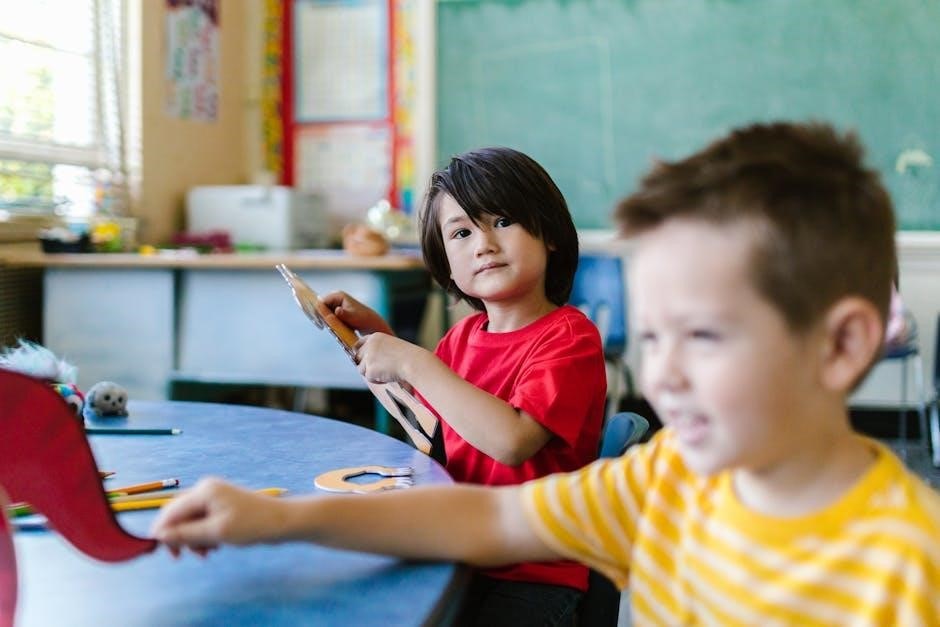
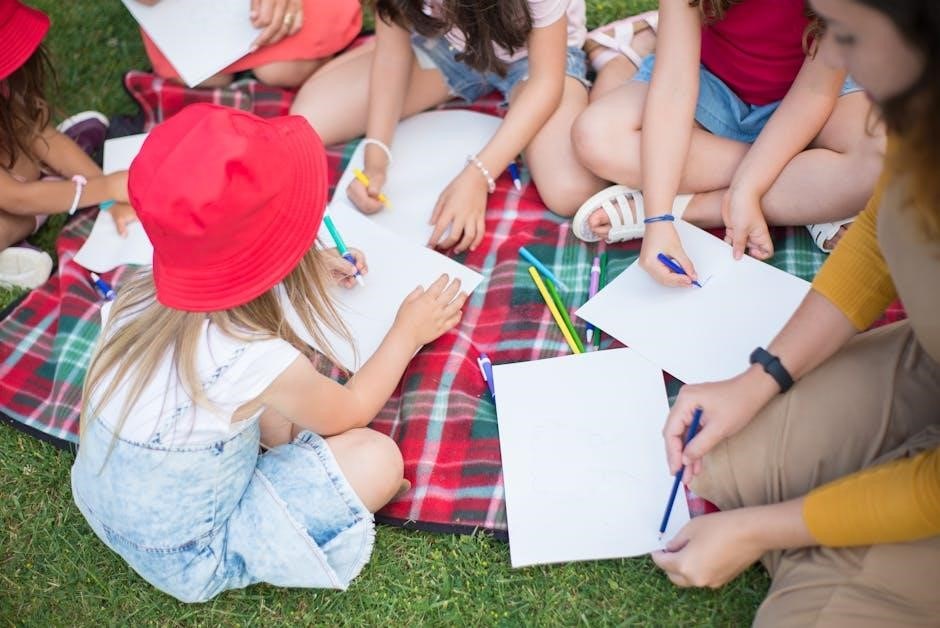
Printable coloring pages and art prompts offer a non-verbal outlet for students to explore and express their emotions. These activities are particularly beneficial for younger learners or those who struggle with verbalizing their feelings. They provide a calming and creative way to process experiences and build self-awareness.
Prompts might ask students to “draw how you feel today” or “color a picture representing a time you felt brave.” Art therapy techniques‚ even in simplified form‚ can reduce stress‚ improve focus‚ and foster emotional regulation. These resources are easily accessible and require minimal preparation‚ making them ideal for quick SEL check-ins.
Resources for Finding Printable SEL Activities
Numerous online platforms and educational companies now offer free and paid printable SEL resources‚ supporting teachers and parents in fostering student wellbeing.
Free Printable SEL Resources Online
A wealth of cost-free SEL materials is readily available online‚ empowering educators with accessible tools. Websites dedicated to mental health and education frequently host downloadable worksheets‚ activity guides‚ and coloring pages focused on emotional literacy. Organizations committed to student wellbeing often provide comprehensive SEL curricula with printable components.
Searching for “printable SEL activities PDF” yields numerous results‚ including resources from schools‚ non-profits‚ and educational blogs. These resources cover a broad spectrum of SEL competencies‚ from identifying emotions to practicing empathy and building positive relationships. Educators can easily integrate these free printables into daily routines or use them as supplemental materials to enhance existing SEL programs‚ fostering a supportive learning environment.
Paid SEL Activity Packs & Bundles
While abundant free resources exist‚ educators may also benefit from investing in curated‚ paid SEL activity packs and bundles. These often offer more comprehensive and structured programs‚ designed by experts in child development and social-emotional learning. Platforms like Teachers Pay Teachers and specialized educational retailers provide a diverse selection of printable SEL materials.
These bundles frequently include detailed lesson plans‚ assessment tools‚ and a wider range of activities than typically found in free resources. Purchasing these packs can save valuable time and ensure alignment with specific learning objectives. Many paid options also offer differentiated activities to cater to diverse student needs‚ enhancing the effectiveness of SEL implementation within the classroom.
Adapting Activities for Different Age Groups
Effective SEL implementation requires tailoring printable activities to suit the developmental stages of elementary‚ middle‚ and high school students for optimal impact.
SEL Activities for Elementary School
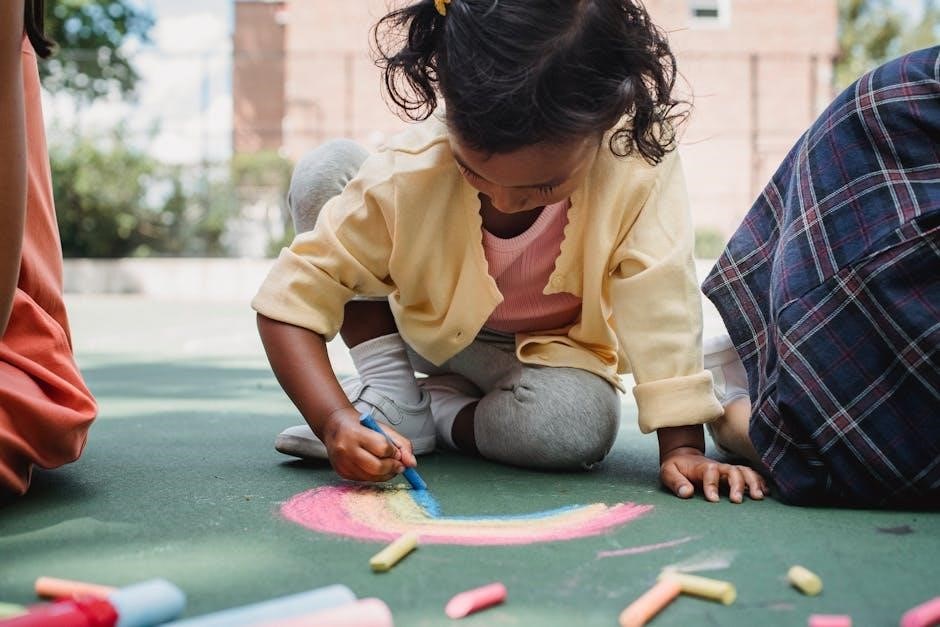
For younger learners‚ printable SEL activities should be engaging and visually appealing. Focus on foundational skills like identifying basic emotions – happy‚ sad‚ angry – through coloring pages and simple worksheets. Games promoting kindness and sharing‚ like printable scenarios for role-playing‚ are incredibly effective.
Activities should be short and concrete‚ utilizing picture-based prompts to aid comprehension. Consider printable “feelings check-in” charts where students can visually represent their emotional state. Simple mindfulness exercises‚ like guided breathing with accompanying illustrations‚ can also be introduced. The goal is to build emotional literacy in a playful‚ accessible manner‚ fostering a positive classroom climate.
SEL Activities for Middle School
Middle schoolers benefit from SEL activities that encourage self-reflection and more nuanced emotional understanding. Printable worksheets focusing on identifying triggers for strong emotions‚ and developing coping strategies‚ are valuable. Scenario-based activities exploring peer pressure‚ conflict resolution‚ and empathy become increasingly relevant.
Introduce journaling prompts that encourage students to explore their values and strengths. Printable games promoting active listening and respectful communication can improve relationship skills. Activities should foster critical thinking about social situations and responsible decision-making. The focus shifts towards applying SEL skills to real-life challenges‚ building resilience and self-advocacy.
SEL Activities for High School
High school SEL activities should address complex issues like identity formation‚ future planning‚ and navigating challenging relationships. Printable resources focusing on stress management techniques – mindfulness exercises‚ time management strategies – are crucial. Activities exploring career interests and aligning personal values with future goals are beneficial.
Debates and discussions centered around ethical dilemmas and social justice issues promote critical thinking and empathy. Printable worksheets can facilitate self-assessment of strengths and areas for growth. Encourage peer mentoring and collaborative problem-solving. The aim is to equip students with the skills to navigate adulthood responsibly and build healthy relationships.
Integrating SEL Activities into the Classroom
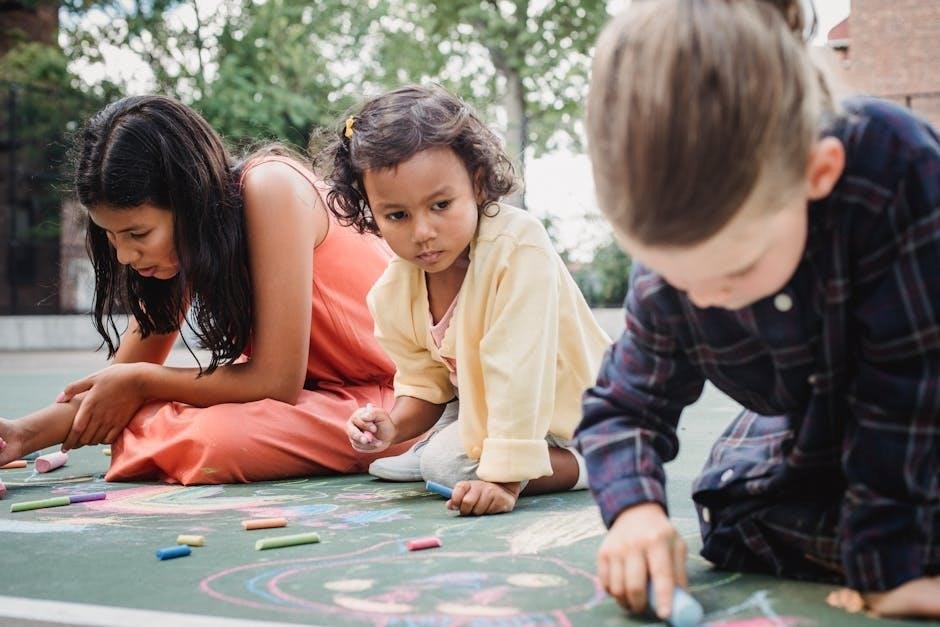
Seamlessly incorporate printable SEL activities through morning meetings and dedicated SEL breaks‚ fostering a supportive classroom environment for emotional growth and wellbeing.
Morning Meeting Activities
Begin each day with focused SEL integration using printable resources. Utilize “check-in” worksheets where students anonymously share feelings‚ fostering self-awareness and empathy. Printable gratitude prompts encourage positive thinking and appreciation.
Interactive games‚ like emotion charades using printable cards‚ build social awareness and communication skills. Short mindfulness exercises‚ guided by printable scripts‚ promote self-management.
These brief activities – lasting 5-10 minutes – establish a positive classroom climate‚ setting the tone for learning and emotional wellbeing. Consistent implementation‚ supported by readily available printables‚ maximizes impact and creates a safe space for students to connect.
SEL Breaks Throughout the Day
Integrate short‚ purposeful SEL breaks using printable activities to proactively address student needs. Offer “brain breaks” featuring mindful coloring pages or simple breathing exercises with printable guides. These moments provide a calming reset‚ improving focus and reducing stress.
Utilize printable emotion regulation tools‚ like feelings charts‚ to help students identify and manage their emotions. Quick “would you rather” scenarios‚ printed as cards‚ spark discussions about values and perspective-taking.
These brief pauses – 2-5 minutes – can be seamlessly woven into transitions or after challenging lessons‚ fostering a supportive learning environment and promoting emotional resilience.
Evaluating the Effectiveness of SEL Activities
Assess SEL impact through consistent tracking of student progress and gathering valuable feedback from both students and educators regarding printable activity usefulness.
Tracking Student Progress
Monitoring student growth in SEL requires a multifaceted approach when utilizing printable activities. Regularly observe behavioral changes‚ noting improvements in self-regulation‚ empathy‚ and communication skills. Implement pre- and post-activity assessments – simple checklists or short questionnaires – to gauge shifts in emotional understanding.
Consider utilizing anecdotal records‚ documenting specific instances where students demonstrate SEL competencies. Review completed worksheets for evidence of self-reflection and emotional awareness; Focus on observable behaviors rather than subjective interpretations. Consistent documentation provides valuable data for informed adjustments to SEL implementation and demonstrates the impact of these printable resources.
Gathering Feedback from Students & Teachers
Valuable insights are gained by actively soliciting feedback on printable SEL activities. Conduct brief‚ anonymous student surveys to assess activity engagement and perceived usefulness. Ask open-ended questions about what resonated and what could be improved.
Teacher input is equally crucial; gather their observations on activity implementation‚ student responses‚ and alignment with classroom needs. Facilitate discussions to share best practices and identify challenges. This collaborative approach ensures activities remain relevant‚ impactful‚ and effectively support the emotional and social development of all students‚ maximizing the benefits of these resources.